

A balanced perspective on the protein craze
By: Liz Ripley
As a self-proclaimed wellness guru, I like to think I know a few things about properly fueling and nourishing my body. I’ve listened to countless podcasts on gut health and holistic living, and I follow various lifestyle and fitness influencers. Right now, one of the biggest topics on these channels is protein. Suddenly, America realized how important this macronutrient is and became obsessed. People are adding protein to everything: protein icecream, protein pancakes, protein chips. Even Starbucks hopped on the trend with a new protein cold foam and milk.
I’m all for protein, but knowing how to balance it is key. So let’s break down why everyone is raving about it.
What is protein?
Protein is one of the three key macronutrients, along with fat and carbohydrates, that our bodies need to thrive. The nutrient helps us build muscle, break down foods, regulate hormones, fight infections and keep our blood sugar stable. It is also essential for repairing tissues in our bones, skin and hair. Basically, protein is the building blocks that support our everyday function.
The amount of protein needed per day is different for each person, but the daily recommended value is between 50-100 grams of protein, or about .36 grams per pound of body weight. This number depends largely on your individual needs and fitness goals. Protein is often associated with weightlifting and dieting because it leaves you feeling satiated and energized for daily activity.
Why is Protein Trending?
Protein has been all the rage on social media over the past year. The trend aligns with the rise of fitness influencers who promote weightlifting and “clean eating” to achieve a toned look.
While intense cardio paired with a calorie deficit was once considered the secret to weight loss, people are realizing that strength training with protein and cardio may be more effective. Fitness influencers frequently promote their high-protein, low-calorie alternatives that help them build their physiques, and the recipes are fairly simple. Some of the most popular recipes are greek yogurt bagels, Ninja Creami protein ice cream and egg white pancakes.
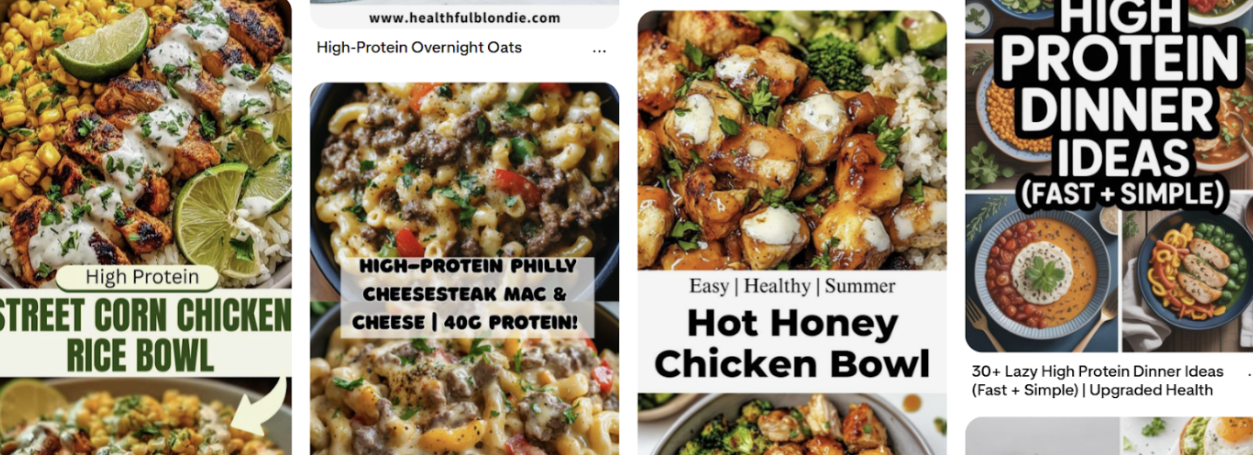
Image source: Pinterest
There is also a growing perception that Americans aren’t eating enough protein. While this is true in some cases, most adults already consume enough. Nevertheless, the trend is helping people learn that protein supports everything from energy levels and appetite control to bone strength. It has encouraged many to reflect on what they’re putting into their bodies and to find more ways to build a balanced plate, starting with protein.
Just Because it’s High in Protein, Doesn’t Mean it’s Healthy
This trend has inspired many people to transition toward home-cooked meals and to focus on fueling their bodies for maximum performance. I like to believe it’s a step in the right direction toward a more balanced approach to nutrition. For too long, the American food system has flooded grocery stores and chain restaurants with highly processed, sugary products that honestly did nothing for our health. Now, people are realizing that you can swap certain caloricly-dense foods for protein-rich alternatives that leave you satiated and energized.
As much as it’s important to get your protein in, it shouldn’t be at the expense of your health. Many food companies slap a “high-protein” label on products to make them seem healthier than they are. Think of it as adding a scoop of protein powder and artificial sweetener to ice cream. Sure, it may have more protein, but it doesn’t erase the fact that it’s still ice cream.
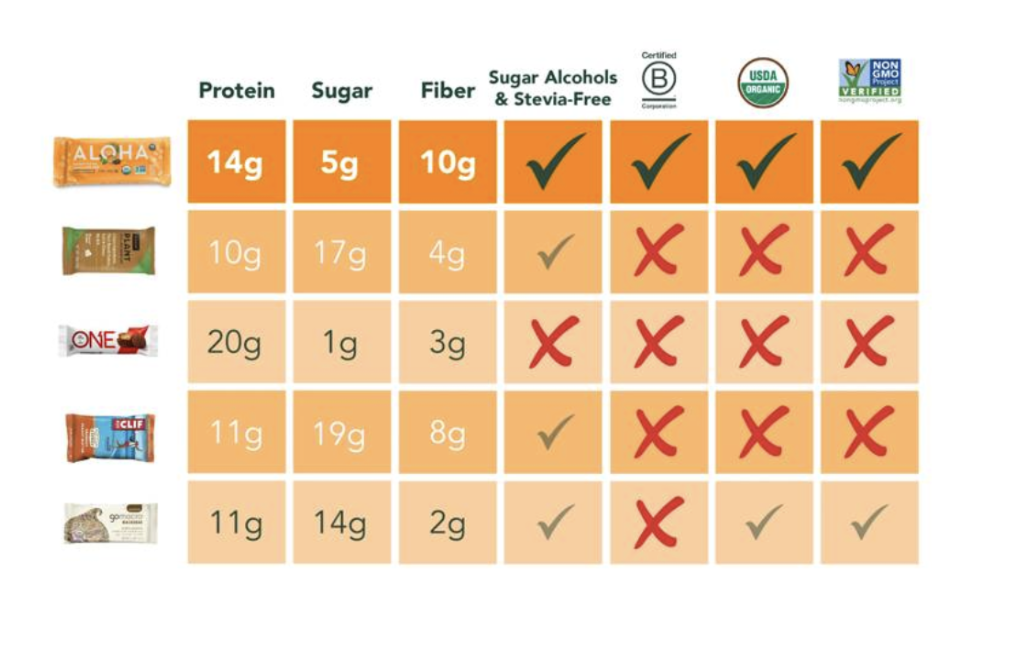
Image source: Pinterest
A majority of the protein substitutes are filled with unnecessary additives, which is where people can be misled. Chasing your protein goals without paying attention to the food quality can push people away from eating real, whole foods that our bodies actually need.
Creating a Balanced Plate
Speaking from personal experience, I fell for the trap of only focusing on protein, neglecting carbs and fats. The most effective results come from combining all three macronutrients, plus proper hydration and fiber. Your body performs its best when you have carbohydrates providing fuel to lift weights and run and healthy fats supporting your hormones and providing vital vitamins. Whenever possible, it’s best to get a majority of your protein from whole food sources like eggs, chicken, beans, greek yogurt, or fish, rather than processed alternatives.
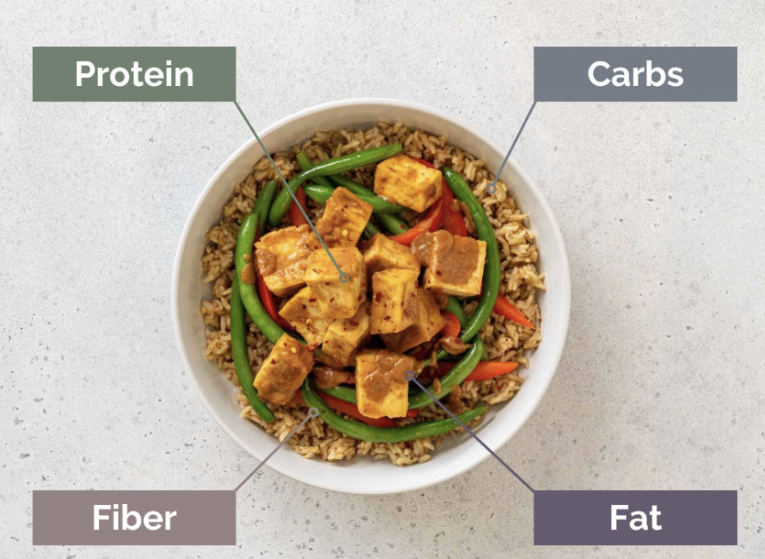
Image source: Pinterest
And yes, there is such a thing as too much protein. Excessive intake can negatively impact your metabolism, strain your kidneys and lead to dehydration and nutrient imbalances. It’s important to find the correct amount that suits your needs. People should also recognize that simply increasing protein intake won’t automatically create a toned appearance. That comes from pairing proper nutrition with strength training and consistent exercise.
