

The gay best friend trope: why TV still gets it wrong
By: Jackson Hall
If you have watched almost any TV show or movie in the past two decades, you have probably seen the “gay best friend.” He is witty, stylish, emotionally available and always ready with advice. He helps pick outfits, delivers quick one-liners and supports the main character, usually a straight woman, through every life crisis. He is lovable, memorable and almost never the main character of the story.
I grew up seeing this character everywhere. At the time, it felt harmless and even comforting. For me, it was often one of the first ways queer characters appeared on screen at all. Shows like Sex and the City, Glee and countless rom-coms helped normalize gay men as part of everyday life. Seeing those characters mattered, especially when representation was limited. Looking back now, though, I find it hard not to notice how narrow and repetitive this portrayal often is.
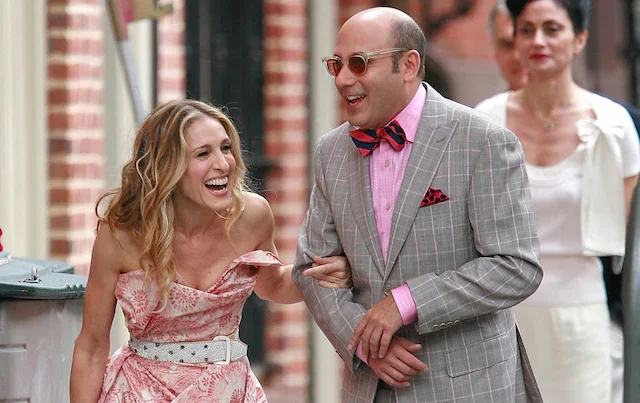
Image source: The Telegraph
The gay best friend usually exists to support someone else’s narrative. His dating life is secondary or completely ignored. His personal struggles are rarely explored in depth. Instead, his personality is reduced to humor, fashion sense and emotional labor. I have noticed that he is almost always there to listen, affirm and uplift, while rarely being allowed to be complicated, flawed or fully centered himself. The character becomes a tool for growth in someone else’s story rather than a person with a story of his own.
Why This Still Matters
College has been a time when I have started questioning the media portrayals I grew up with. As I have formed deeper friendships and communities, it has become clearer how limiting this trope can be. Real people do not exist to be sidekicks or accessories in someone else’s life. Yet television continues to recycle the same version of this character because it feels familiar, safe and easy for audiences to understand.
I also think this trope shapes expectations in real life more than we realize. When the media consistently presents gay men as emotionally supportive side characters, it subtly reinforces the idea that they exist to provide comfort and guidance for others. That expectation can create pressure to perform a certain role rather than simply exist as oneself. To me, this is why representation matters beyond entertainment. It influences how people see and treat one another.
That being said, I have noticed meaningful improvements in recent years. Shows like Pose, Overcompensating and Euphoria offer queer characters depth, agency and full storylines. Watching these shows feels different because the characters experience love, heartbreak, ambition and uncertainty in ways that feel authentic and human. They are not confined to supporting roles or stereotypes. Instead, they are allowed to take up space and drive their own narratives.
Image source: IStock
Television has immense power, especially for young audiences. From my perspective, the stories we consume shape how we understand identity, relationships and belonging. When representation is limited, so is imagination. When representation expands, it opens the door for more nuanced conversations about who gets to be seen and valued.
At the end of the day, the issue is not having gay best friends on screen. The issue is only having them in that role. I think queer characters deserve the same complexity and attention given to their straight counterparts. College feels like the perfect time to start noticing who gets to be the main character and who is still waiting on the sidelines. The hope is that as audiences grow more critical, television will continue to grow with them.
