

Planning an Affordable Trip Abroad
By: Audrey Williams
For many college students, international travel can feel out of reach. Between rent, tuition and limited income, it can be easy to dismiss travel as impossibly expensive and inaccessible. This, however, does not need to be the case. With the right planning and a little research, seeing the world does not need to be a luxury reserved for later in life. Here are some tips on how to make an affordable trip abroad happen, from booking flights to deciding activities.
Finding Flights
Before you can start planning your trip, you need to decide where to go. If you do not have a pre-set destination, following flight deals and being open to new locations can save hundreds. By utilizing websites like Google Flights, Skyscanner or Kayak, you can set your flight search to countries, continents or “everywhere” rather than looking at destinations one at a time. Even when you do have a pre-selected location, these resources can help compare flight prices across airlines for the best deals.
If you want the best deals on flights, it can also be helpful to have some leeway on when you go. Not everyone will have this flexibility, but if you fly out on a weekday it will often be cheaper than flying on a weekend. Google’s 2025 report found that traveling on Monday through Wednesday is about 13% cheaper than traveling on the weekend, and opting to take a layover instead of a direct flight saves about 22% on average.
If you are really looking to save the most money, the report also found that international flights will be the cheapest 49 days or more before departure, so it is best to book tickets as early as you can.
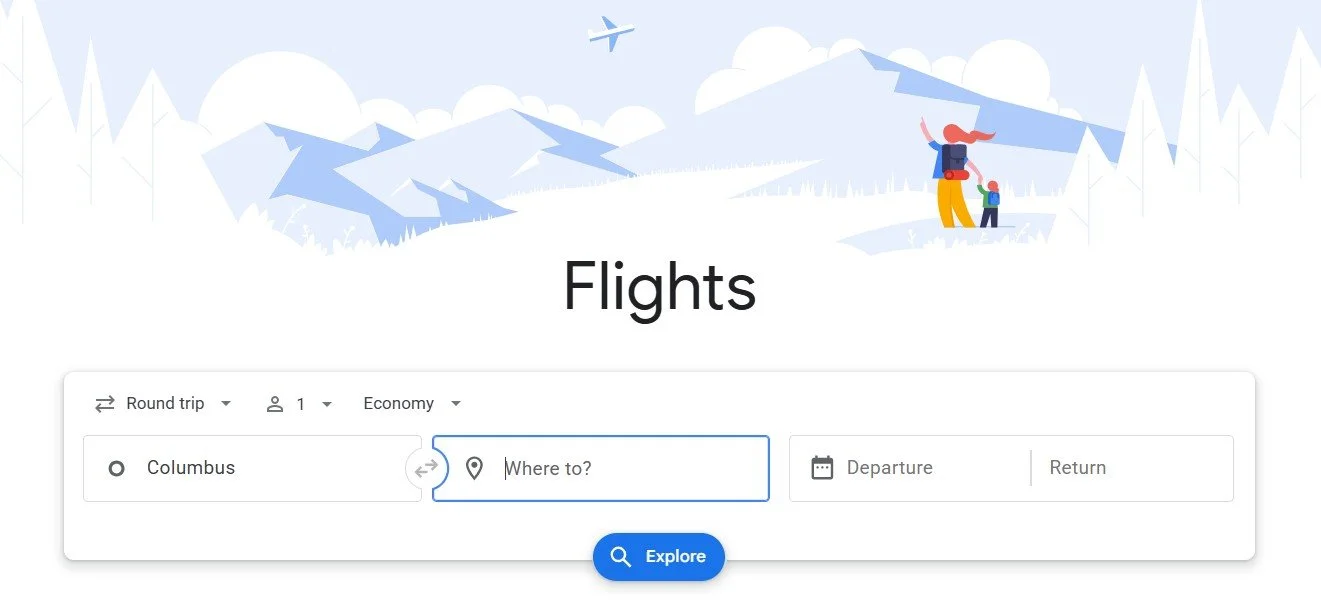
Image source: Screenshot from Google Flights
Locking in the Necessities
Once you have decided on your destination, you need to figure out the required documents and forms to enter the country. This will be different based on where you go, so it is important to properly research your destination. Some countries, like the United Kingdom, Canada and Australia require an Electronic Travel Authorization, while other countries, such as Brazil, require a full visa.
Entry requirements are susceptible to change as well, so it is important to keep up to date with travel news. For example, the European Union is planning to eventually roll out its European Travel Information and Authorisation System, or ETIAS, which will need to be filled out ahead of entry.
If you are traveling abroad, you also need to make sure you have a valid passport that is not expiring in the next six months.
Travelers should also enroll in the United States Department of State’s Smart Traveler Enrollment Program, or STEP. STEP is a free service that allows U.S. citizens to enroll their trip abroad so the Department of State can accurately and quickly contact them in case of emergency.
While technically not a necessity, it can also be smart to get travel health insurance, as many domestic providers will not cover healthcare expenditures outside of the United States.
I would recommend investing in a short-term travel plan in almost all instances for peace of mind, but it is especially important if you plan on doing any sort of activity or excursion that could result in an injury, such as motorbiking, hiking or surfing. Different providers will fit different needs so it is important to do your research, but Forbes Advisor’s guide is a great starting point.
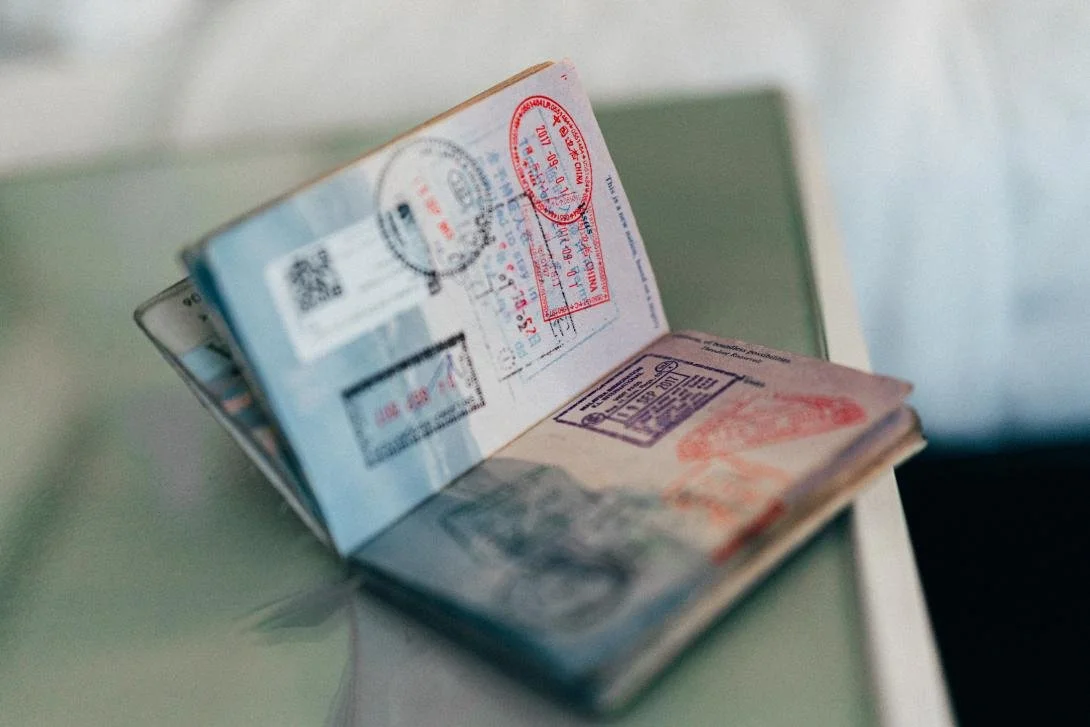
Image source: International Scholars Office - MIT
Where to Stay
One of the most important decisions to make when planning your trip is where to stay. Hotels, while nice, can add up, making an otherwise affordable trip suddenly very expensive.
If you are traveling in a large group, I would recommend looking into Airbnbs, which are often very affordable once split between everyone. They also give you the freedom to cook and plan meals at home, which is another way to stay within a smaller travel budget.
If you are traveling alone or in a smaller group, hostels can be a great way to save money and meet other travelers. To find the hostel that best fits your needs, you can browse Hostelworld, which allows you to filter by amenities, cost, rating and more. Many hostels will also host daily events and parties where you can meet people traveling from all over.
One quick caveat to booking affordable accommodations is the importance of balancing affordability and safety. When looking at hostels or Airbnbs, take the time to read up on reviews and research what the area it is located in is like. No amount of affordability is worth your personal wellbeing.
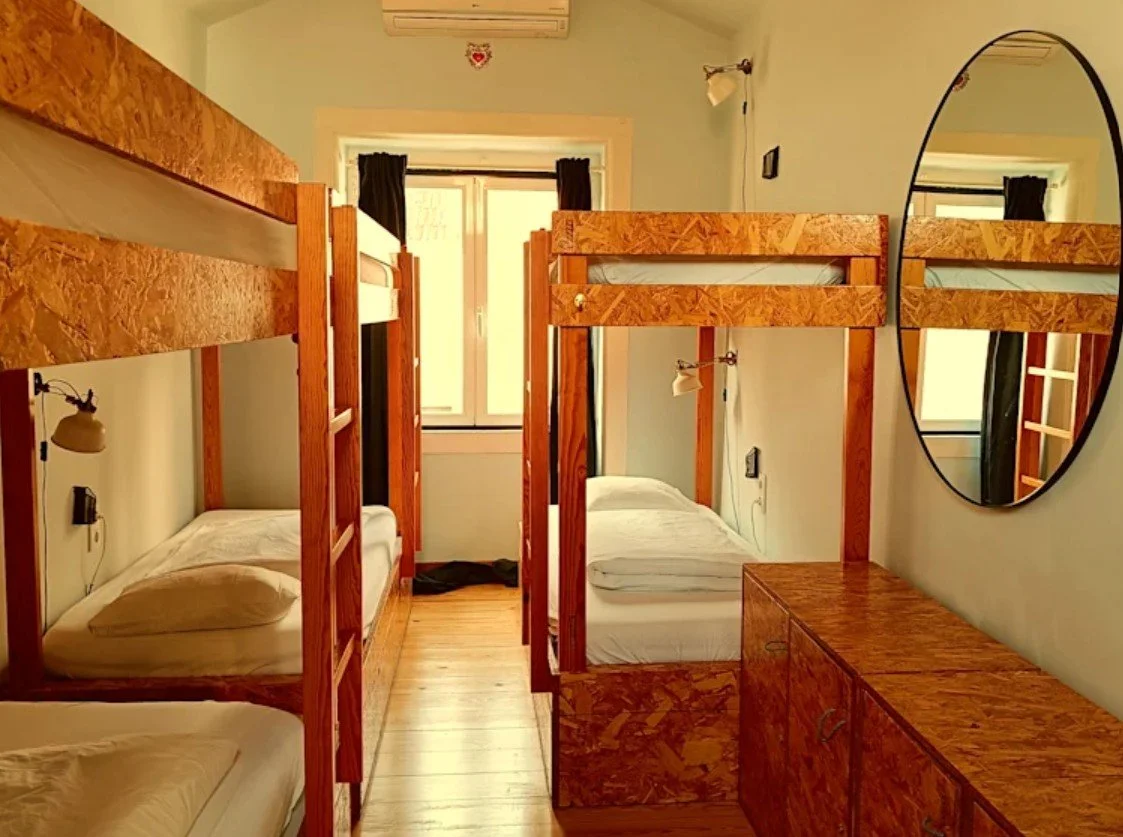
Image source: Hostelworld, Goodnight Lisbon Hostel posting
Getting Around
Renting a car abroad can be expensive and logistically challenging, so unless it is an absolute necessity for the trip, I would recommend skipping the car altogether.
If you are opting to use ride shares during your trip, it can be helpful to look into the most popular apps in each destination. While companies such as Uber are incredibly global, I have found that utilizing country-specific, more commonly used companies leads to faster responses and cheaper trips. Examples include Grab in Thailand, Bolt in Portugal and Freenow in Ireland.
While rideshares are convenient, the cheapest and most culturally immersive way to get around a new country is through its public transport. Whether it be trains, buses or something else, keeping an open mind and being willing to step outside your comfort zone is a great way to make lasting memories and save money in the process.
It is also important to remember the power of walking! Exploring cities on foot is a great way to sightsee, discover locations you would have otherwise not seen, all for free.
Finally, I recommend dedicating time to thoroughly research how to get from the airport to your first accommodation. This eliminates a significant amount of stress when you first land in a new environment and helps set the tone for a successful trip.

Image source: ItaliaRail
Booking Activities
After saving on the more logistical elements of the trip, activities are where I am most likely to splurge. What an ideal trip itinerary looks like, as well as how developed it is, is dependent on what the traveler prefers.
I am personally a fan of building a loose itinerary so that every day has structure or a goal, while also building in time for exploration. Just basing your trip off of TikTok recommendations is not inherently a bad thing, but I have found that my most enjoyable travel experiences have been unplanned and off the beaten path.
If you know you want to prioritize travel in the future, I would also recommend looking into getting a travel credit card. By putting most of my purchases on a travel card, I have earned enough points to book excursions, such as a 12-hour, small-group trip to the Scottish Highlands, entirely with credit card points. Forbes Advisor has a great guide on the best travel credit cards to get.

Image source: Audrey’s camera roll; Scottish Highlands excursion
Traveling on a budget takes some extra planning, but the payoff is worth it. From flight deals to hostel stays, every small money-saving choice adds up to make otherwise inaccessible adventures possible. So do your research, stay flexible and do not let cost be the reason you skip out on experience.
