

Media framing in Dancing with the Stars
By: Brielle DiGiacco
Have you ever noticed that when you’re watching a show, you instinctively favor one person over another, and you’re not even sure why? That’s media framing, how producers shape a story to make someone look like a hero, a villain, an underdog or comic relief. People get spotlighted for their strengths, while others are defined by their flaws. We often think of framing in the news context, but it also happens on our favorite shows. On this season of Dancing with the Stars, you can see it clearly: Whitney Levitt, who has been painted with a villain-style edit, while Andy Richter is framed as the vulnerable, empathetic contestant you're meant to root for.
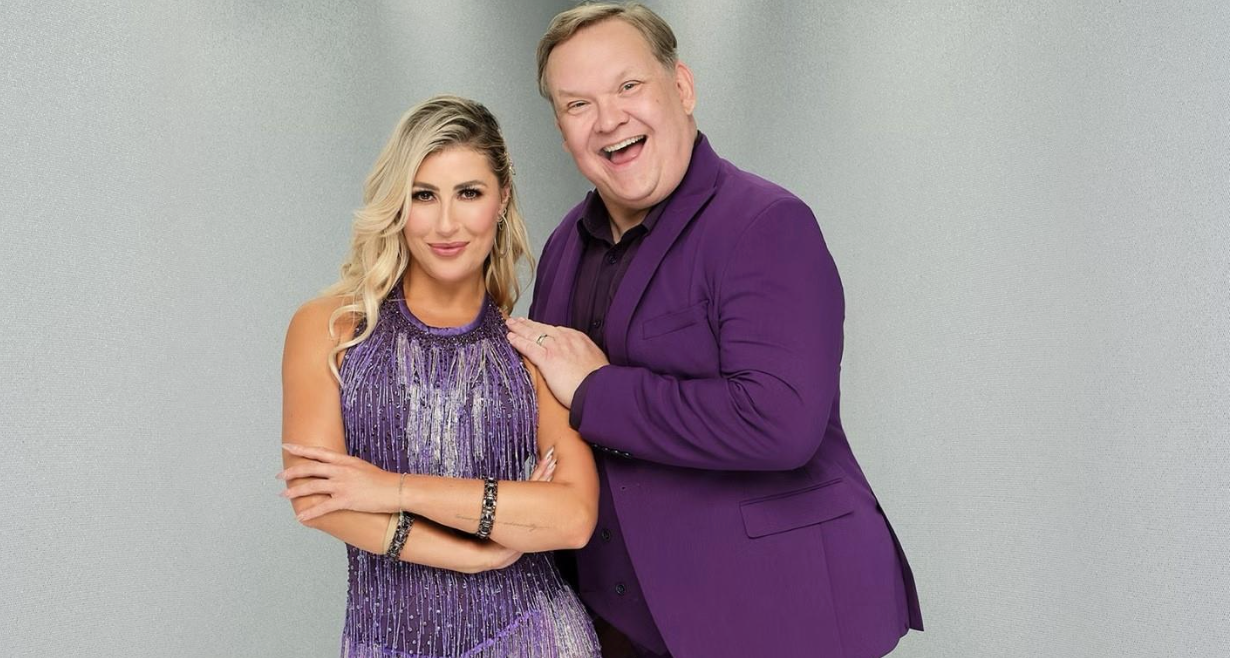
Andy Richter
ABC
This season, 59-year-old actor and comedian Andy Richter received a very specific type of framing from the start. The show repeatedly emphasized his age, and based on past DWTS trends, older contestants are usually the first to go. Yet despite sitting at the bottom of the leaderboard every week and earning the lowest judges’ scores, Andy made it all the way to Week 9.
What’s interesting is that even though he was only five years older than fellow contestant Elaine Hendrix, the media gave him far more grace for his limited movement on the dance floor.
While other contestants dominated technically, Andy kept advancing past more skilled competitors because the media shaped him into the lovable, vulnerable contestant viewers were meant to root for. TikToks highlighted how “cute” and “wholesome” he was, and producers reinforced that narrative by having him dance to feel-good songs like “Northern Attitude.” This framing helped rally fans to vote for him week after week.
Whitney Leavitt

ABC
Even if you’ve only seen a few clips of The Secret Lives of Mormon Wives, you know Whitney Levitt isn’t exactly the fan favorite. On the show, she’s framed as dramatic, argumentative and sometimes selfish. You’d think “Dancing with the Stars” would give her a chance to start fresh, but the outside media wasn’t interested in letting viewers forget her past. Despite Whitney undeniably being a strong dancer, frequently earning 10s and staying at the top of the leaderboard, her old reality TV baggage followed her straight into the ballroom. On top of that, people began resurfacing her past dance experience, pushing the idea that it was “unfair” for her to be competing.
The timing couldn’t have been worse: only a week after the new season of Secret Lives of Mormon Wives premiered, where Whitney openly admitted she came back mainly to audition for DWTS, she was eliminated from the competition. Her exit came the very next week after Andy’s, despite Whitney being miles ahead of him in actual dance skills.
Why the Difference Matters
ABC
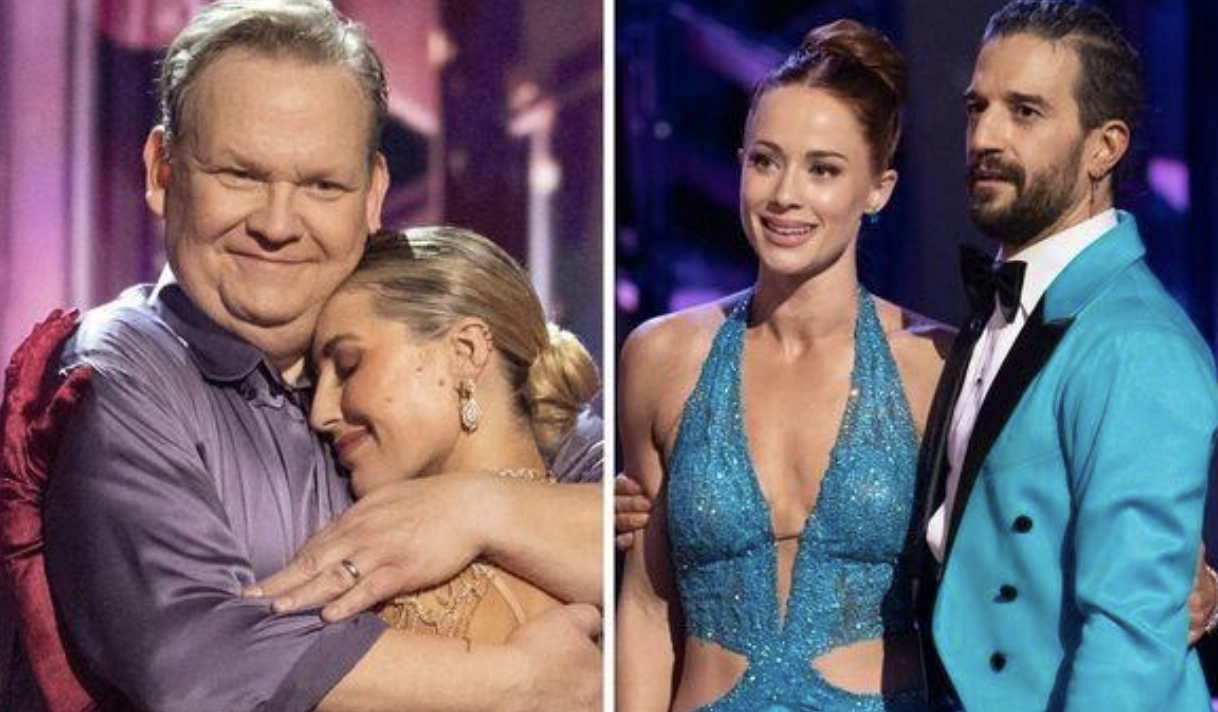
Although everyone has their own opinions, the way Whitney and Andy were framed had a huge impact on how the audience perceived them and ultimately, how they voted. In today’s reality TV landscape, shows are heavily influenced by how the media presents contestants. Producers and editors don’t just show the dances; they craft characters, highlight specific moments and tell stories that guide how viewers feel. We may not know these contestants personally, but through the personal stories the show and media associate them with, we feel like we do. That connection makes us cheer for, sympathize with or even love to hate certain characters.
While “Dancing with the Stars” is technically about dance, this season shows that the media’s influence can outweigh actual performance. Andy, despite being less skilled, lasted far longer than expected, while Whitney, who consistently performed at the top of the leaderboard, was eliminated earlier than she should have been. This season is a clear example of how framing shapes not just the story we see on screen, but the results of the competition itself.
